QCMHR News
Stay updated
Stay updated with QCMHR's latest news by subscribing to our quarterly newsletter.
Media contact
QCMHR is looking to build connections with journalists locally, nationally, and globally to share compelling and unique stories about our research that will further our mission to reduce the impact of mental illness in our communities.
Contact info@qcmhr.uq.edu.au.
News stories

Mental disorders are now the leading cause of disability globally, overtaking cancer and cardiovascular disease, new research has found.

Major depression fluctuates during and after pregnancy but has the highest prevalence 2 weeks after giving birth, a University of Queensland study has found.

We all know physical pain can have a direct impact on how you feel mentally. But when that pain becomes chronic, lasting months and years with no clear diagnosis, it can have a devastating effect on mental health.

With an impressive career spanning more than four decades, Professor John McGrath has shown a remarkable dedication to improving the lives of people with schizophrenia and other mental illnesses.

For the first time in a decade, a new set of clinical guidelines for schizophrenia care in Australia and Aotearoa New Zealand has been published to reflect new evidence and approaches to treatment.


Right now, many young people are experiencing mental health problems that make it difficult to focus at school, connect with friends and even get out of bed some days.

When a veteran is in crisis, police are often first on the scene. How these first responders engage in those critical early moments can significantly shape the outcomes that follow.

Ask any adult in the street, and most would tell you they find it challenging to maintain their physical health and fitness. But for people living with psychosis, staying physically healthy can be extra tough.

A digital intervention is set to change the way people living with schizophrenia prevent and manage type 2 diabetes (T2D).

Imagine hearing voices or seeing things no one else can see or hear. For people with schizophrenia, this is an everyday reality. And for the one in three who have a more severe and intractable form of schizophrenia called treatment-resistant schizophrenia (TRS), the usual medications don’t help.

Newborn babies with a vitamin D deficiency have a higher chance of later developing mental disorders such as ADHD, schizophrenia and autism, a major study has found.

People facing mental health crises may achieve better outcomes in crisis support services compared to emergency departments (EDs) according to a Queensland Centre for Mental Health Research (QCMHR) study.

A high-flyer from the Queensland Centre for Mental Health Research (QCMHR) was awarded the prestigious Michele Tansella Award last October at the meeting of the World Psychiatric Association’s Epidemiology and Public Health Section.

Researchers have found 70 per cent of Australians diagnosed with major depressive disorder are not receiving even the minimal treatment necessary.

Queensland Centre for Mental Health Research (QCMHR)-led research has found people on the autism spectrum are almost 3 times more likely to die by suicide compared to non-autistic people.

The Queensland Centre for Mental Health Research (QCMHR) will co-lead Australia’s third National Child and Adolescent Survey of Mental Health and Wellbeing along with Curtin University thanks to $8.1 million awarded by the Australian Government Department of Health and Aged Care.

A vital study by the Queensland Centre for Mental Health Research has revealed the significance of cultural identity in supporting the overall health of Aboriginal and Torres Strait Islander people.

Every day, more than nine Queensland construction workers feel not in control, overwhelmed or unable to cope, a new Queensland Centre for Mental Health Research (QCMHR) study has found.

Over-burdened staff, stressful Emergency Department (ED) environments and a lack of alternative crisis care options are significantly impacting the experiences of people seeking urgent mental health care.

Australian suicide prevention funding may be missing key priority population groups, a Queensland Centre for Mental Health Research study has found.

Researchers have found people maltreated as children are 3 times more likely to be admitted to hospital for alcohol and substance use by the time they’re 40, compared to people who were not maltreated.

New research conducted for the Royal Commission into Defence and Veteran Suicide estimates that one serving or ex-serving Australian Defence Force member has suicide-related contact with emergency services every four hours across Australia.

Surveys involving thousands of adolescents and their primary caregiver have shown the prevalence of mental disorders within the age group is very different across Kenya, Indonesia, and Vietnam.

A world-first Queensland-based clinical trials platform will enable researchers to evaluate multiple therapies simultaneously, potentially leading to faster discovery of more effective treatments for people living with schizophrenia.

Intrusive monthly blood tests could be safely reduced for many people receiving long-term clozapine treatment for schizophrenia according to a new study by the Queensland Centre for Mental Health Research.

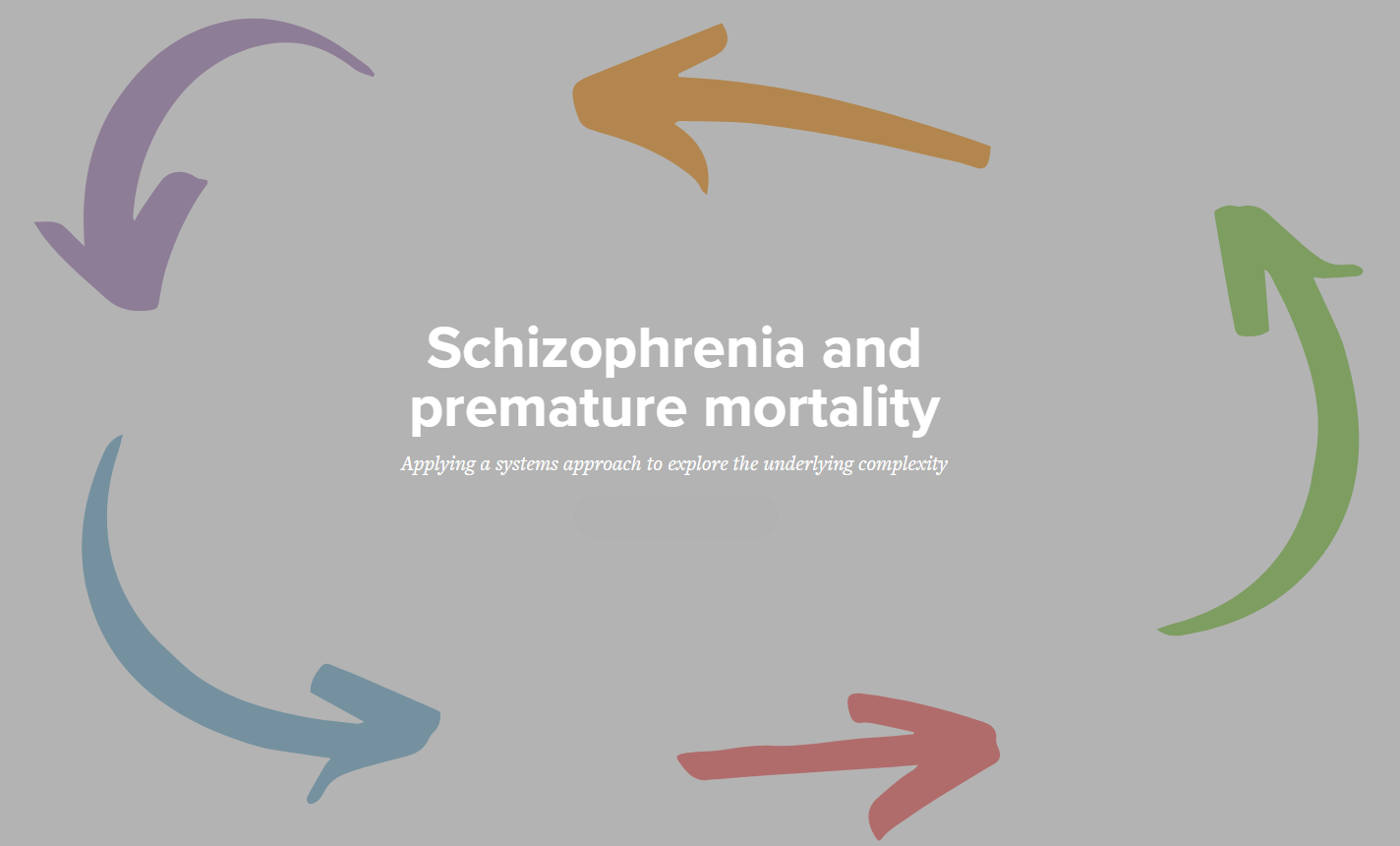
Stigma, lack of social support and unemployment play significant roles in premature mortality in people with schizophrenia according to a study by the Queensland Centre for Mental Health Research (QCMHR).

A global study co-led by researchers from The University of Queensland and Harvard Medical School has found one in two people will develop a mental health disorder in their lifetime.

An Australian first study of police negotiator suicide incidents in Queensland has supported the value of investing in collaborations with mental health services to help people in crisis.

The Queensland Centre for Mental Health Research (QCMHR) has had a makeover this October, launching an eye-catching new image and website to reflect its standing as a mental health research leader and to re-energise its commitment to creating new knowledge about mental health.

A landmark study, released this month, has engaged Southeast Queensland’s Aboriginal and Torres Strait Islander communities to speak about their mental health, report their preferences for care, and guide lasting mental health system reform.

The quality of mental health surveys could be compromised by failing to capture data from vulnerable populations, a new study from the Queensland Centre for Mental Health Research (QCMHR) has found.

New research from the Queensland Centre for Mental Health Research (QCMHR) has analysed Australia’s numerous collections of mental health services data and identified how they can be improved to inform service planning and system reform.

Researchers are calling for higher prioritisation of mental health care for Indigenous Australians, after a new study showed anxiety and mood disorders are up to 3.3 times more prevalent among Aboriginal and Torres Strait Islander peoples compared to the general Australian adult population.

With suicide in the Defence and veteran communities a high-profile issue of concern in veteran health, Gallipoli Medical Research Foundation (GMRF) and the Queensland Centre for Mental Health Research (QCMHR) have united to further the field of military and veterans’ mental health research.

A Queensland Centre for Mental Health Research (QCMHR) study has shown prevalence of suicidality in pregnant women and new mothers is almost twice as high than previously estimated.

Australian mental health service planning can be better tailored to meet the unique needs of Aboriginal and Torres Strait Islander people, a Queensland Centre for Mental Health Research (QCMHR) study has shown.

The Medical Research Future Fund has injected more than $3.8 million into a five-year clinical trial to determine more effective treatments for preventing antipsychotic drug-related obesity in patients with schizophrenia.
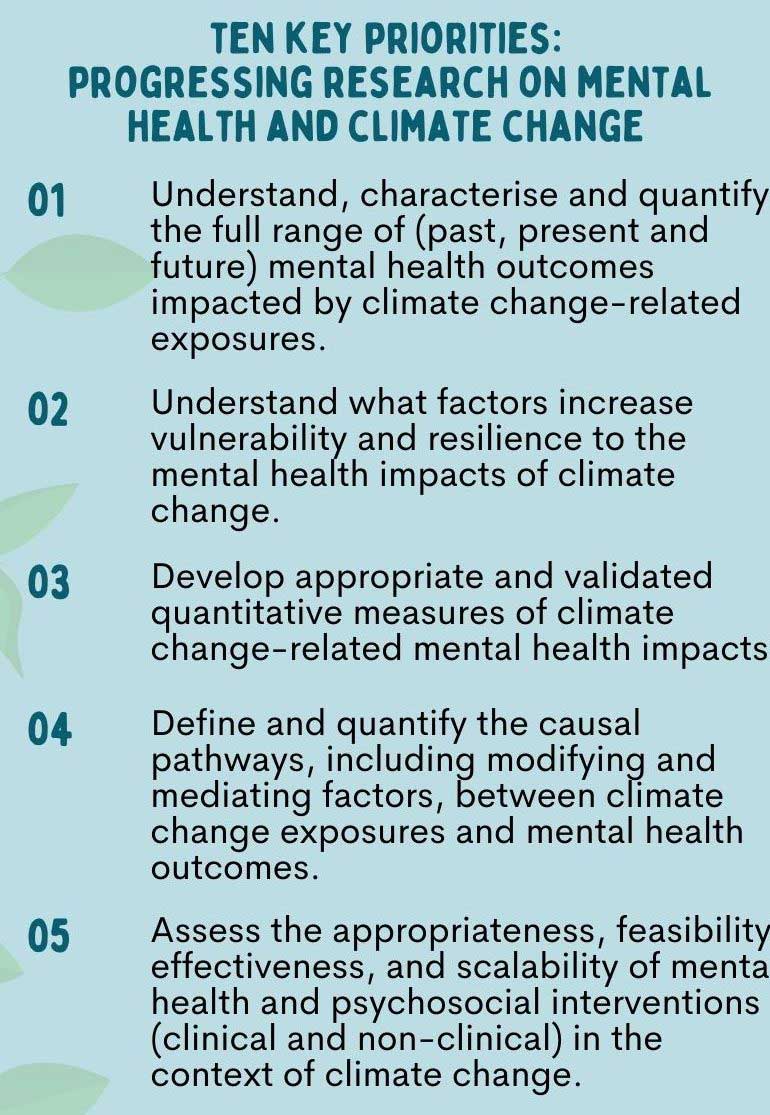
A Queensland Centre for Mental Health Research (QCMHR) led study has proposed ten global priorities for climate change and mental health research following consultation with experts across the globe.

QCMHR’s Physical and Mental Health Research Stream ended 2021 on a high note having published three studies that may herald new treatment options and improved quality of life for people with schizophrenia.

Australian mental health services have been criticised for not meeting the mental health care needs of young people: now a Queensland Centre for Mental Health Research (QCMHR) study has found seven key service components are needed to provide comprehensive, age-appropriate mental health care for young adults.

Researchers from the Queensland Centre for Mental Health Research (QCMHR) have secured $2.5 million via the 2021 NHMRC Ideas Grants scheme to develop the world’s first genomic reference dataset for Indigenous Oceanic people.

Cases of major depressive disorder and anxiety disorders have increased by more than 25 per cent worldwide, according to a world-first study of the impact of COVID-19 on mental health.

A Queensland Centre for Mental Health Research study has advanced understanding of the role Ribonucleic Acid (RNA), plays in the development of the brain’s dopamine system.

Researchers from the Queensland Centre for Mental Health Research (QCMHR) participated in a breakfast workshop in June to examine what distress means to people in the construction industry.

The IMHIP-Youth project addresses gaps in research and services for Aboriginal and Torres Strait Islander young people (10-17 years) who experience detention, the vast majority of whom have unmet social and emotional wellbeing needs.

Staff at the Queensland Centre for Mental Health Research (QMCHR) had a sad occasion to commemorate in July with the passing of Betty Garrett, one of Queensland’s most determined advocates for mental health research.

The University of Queensland (UQ) has awarded fellowships to two of Queensland Centre for Mental Health Research’s best and brightest last month in recognition of their potential as future research leaders.

A world-first Queensland Centre for Mental Health Research (QCMHR) study has confirmed that the mental health risks of climate change are now well established, and new research is urgently needed to guide responses that will safeguard mental health.

A national survey commences this week to find out for the first time how many Australians have experienced child abuse.

A study by Queensland Centre for Mental Health Research researchers has highlighted the need to improve mental health assessments and pathways to care for childbearing women who experience suicidality.

A new study led by Queensland Centre for Mental Health Research (QCMHR) researchers, is putting a cannabis derivative to the test to improve outcomes for people with a treatment-resistant form of schizophrenia.

Schizophrenia and personality disorders are the most disabling mental health conditions to live with, according to scientists from the Queensland Centre for Mental Health Research.

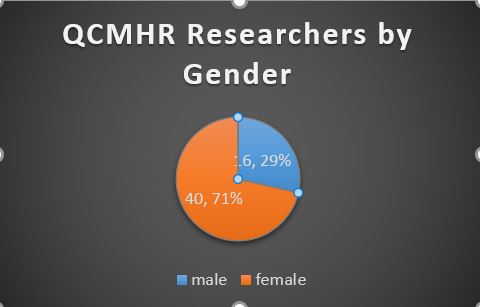
By boasting an academic research workforce that is predominantly female, a Queensland research centre is flying the flag on International Women’s Day for women in STEM research positions.

A Queensland Centre for Mental Health Research (QCMHR) team has partnered with Queensland Health and Primary Health Networks in Central Queensland, Wide Bay and the Sunshine Coast to develop a new model for improving mental health care in rural and regional Queensland.

Anorexia nervosa and bulimia nervosa are well-known eating disorders, but a new study has found binge-eating disorder and Other Specified Feeding and Eating Disorders (OSFED) are more prevalent, cause more disability, and warrant more attention from health policymakers and service providers.

Queensland Centre for Mental Health Research (QCMHR) researchers have been tapped on the shoulder by the Institute for Health Metrics and Evaluation (IHME) at the University of Washington, to join their global COVID-19 Forecasting team.

A deficiency in vitamin D on the mother’s side could explain why autism spectrum disorder (ASD) is three times more common in boys, say researchers from the Queensland Centre for Mental Health Research (QCMHR).

A Queensland Centre for Mental Health Research academic says that research will be a critical enabler of mental health reforms outlined in the newly released Productivity Commission Mental Health Inquiry Report.

Good things have come in threes this week for the Queensland Centre for Mental Health Research (QCMHR), with a trio of the Centre’s top researchers making the annual Clarivate™ highly cited researchers list for 2020.

QCMHR’s John McGrath and Harvey Whiteford have been named as some of the the most highly cited researchers in the world.

A Queensland Centre for Mental Health Research study has found that mental health carers experience significant employment disadvantage in comparison to non-carers.

A report by QCMHR researcher, Dr Fiona Charlson, reviews the concept of conflict within the context of epidemiological research.

QCMHR’s Dr Fiona Charlson and Dr Harvey Whiteford worked with Dr Michael Waller and Catherine Runge on a report examining the long term effects of malarial drugs used in the Australian Defence Force (ADF).

Newborns with vitamin D deficiency have an increased risk of schizophrenia later in life, a team of Australian and Danish researchers has reported.

University of Queensland researchers have partnered with institutes in Kenya, Indonesia and Vietnam to investigate the prevalence of mental disorders in adolescents.

Last week, QCMHR staff took part in the 40th Annual Society for Mental Health Research (SMHR) conference. Held at the Sofitel in Noosa, the conference exhibited presentations by researchers from all over Australia and abroad in order to promote discussion and debate on important topics in mental health.

Bullying has been recognised globally as a risk factor for mental illness, thanks to a University of Queensland research team.

QCMHR researcher, Sandra Diminic, has been leading a program of research on unpaid mental health carers in Australia, sparking a nationwide campaign by Mind Australia; Caring Fairly.

A recent QCMHR report evaluates the Floresco Centre’s integrated approach to mental health care.

One of QCMHR’s researchers; Dr Shuichi Suetani, has published a chapter on Schizophrenia and Exercise with co-author Dr Davy Vancampfort, in the recently released, Exercise-Based Interventions for Mental Illness. The chapter outlines the current clinical conceptualization of schizophrenia and explores its relationship to physical activity.

Research into brain development and schizophrenia has led to international acclaim for The University of Queensland’s Professor John McGrath, recipient of Denmark’s Strömgren Medal.

Research into brain development and schizophrenia has led to international acclaim for Professor John McGrath AM, recipient of Denmark’s Strömgren Medal.

Otherwise healthy people who experience hallucinations or delusions are more likely to have later suicidal thoughts or attempts, an international study has found.

Carers supporting Australians with mental illness are providing services that would cost governments $13.2 billion to replace, a new report has found.

Researchers from the Queensland Centre for Mental Health Research and The University of Queensland have provided key statistics which support April 7’s World Health Day theme – depression and common mental disorders.

Giving vitamin D supplements to mice during pregnancy prevents autism traits in their offspring, University of Queensland researchers have discovered.

The University of Queensland’s Professor John McGrath has won a prestigious international fellowship in the Niels Bohr Professorship Program in Denmark to continue his ground-breaking research into schizophrenia.