Level 3, Dawson House
The Park Centre for Mental Health Treatment
Research and Education, Wacol, QLD 4076
P: +61 7 3271 8660

Latest News
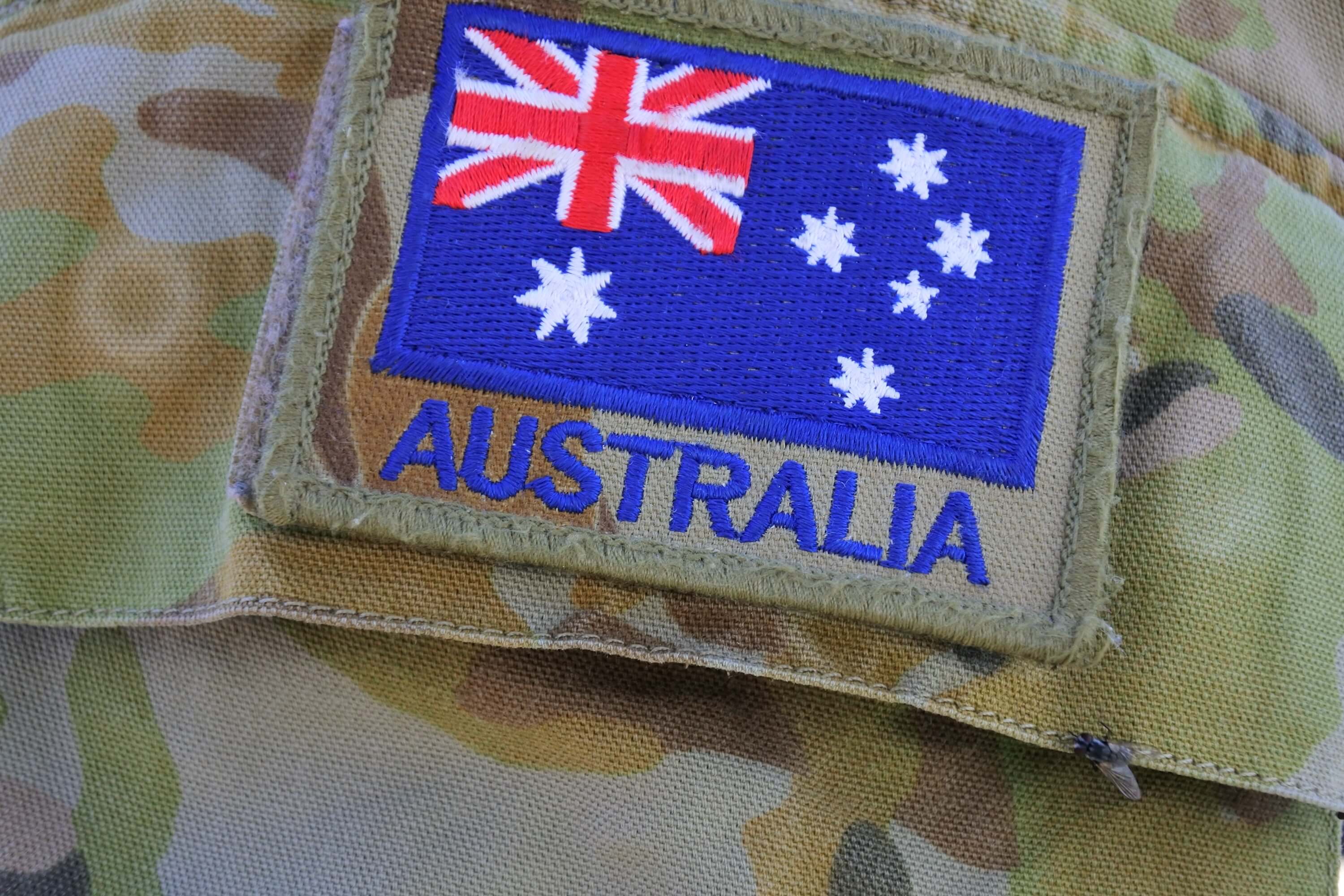
Answering the Call. Strengthening Crisis Responses for Veterans
When a veteran is in crisis, police are often first on the scene. How these first responders engage in those critical early moments can significantly shape the outcomes that follow.
Researchers at the Queensland Centre for Mental Health Research (QCMHR) and Gallipoli Medical Research collaborated on this project to explore how we can do better.
Every four hours, on average, a veteran in Australia has suicide-related contact with police or paramedics. Behind this statistic are the lives of veterans and families who can often carry the weight of worry.
Through interviews and focus groups, the project team examined the real-life stories of veterans, their families and the emergency responders who answer the call.
Associate Professor Carla Meurk, who co-led the research, said veterans can experience unique challenges when it comes to mental health. “What we heard from both families and first responders is that the way first responders interact with veterans in those critical moments really matters. A compassionate, informed approach can make a big difference to the veteran and their pathways to healing,” she said.
The findings revealed that frontline responses are often critical. Understanding the health needs, risks and circumstances of veterans in crisis can help responders provide care that is more respectful and effective.
The researchers turned these insights into practical tools by developing a best-practice training package for police. This includes a series of videos voiced by veterans with lived experience, experienced responders and health professionals that model effective and empathetic ways to support veterans in crisis.
“Police told us they wanted to get it right, they wanted to feel more confident in those high-pressure situations. Our training resources give them the skills and understanding to engage with veterans in crisis with empathy and care,” Associate Professor Meurk said.
The project is already making a difference. Equipping police with better tools enhances the capability of the first responders who veterans rely on in moments of crisis.
“At its heart, this work is about ensuring that when veterans reach out - directly or indirectly - they are met with a response that understands their needs and helps guide them to safety and recovery,” Associate Professor Meurk said.
Through listening, learning and acting together, we can create a safer future for veterans and their families.
Check out the videos below and learn more about the project here.
Established in 1987, QCMHR is funded by Queensland Health to work state-wide and contribute to the local, national, and global research efforts to improve mental health.
Contact:
Associate Professor Carla Meurk, Associate Head and Principal Researcher
Media contact:
Laura Corcoran, Research Communications Officer
HEAD OFFICE

ACKNOWLEDGEMENT OF COUNTRY
The Queensland Centre for Mental Health Research (QCMHR) acknowledges the Jagera, Yuggera, Ugarapul and Turrbal people as the Traditional Owners of the land on which QCMHR operates and their continuing connections to land, waters and community. We pay our respects to their Elders, past and present and stand together with all Aboriginal and Torres Strait Islander peoples.
RECOGNITION OF LIVED EXPERIENCE
We acknowledge people in our communities with lived experience of mental health, drug and alcohol concerns and those who care for them. We respect and value their generous contributions to our research.