Level 3, Dawson House
The Park Centre for Mental Health Treatment
Research and Education, Wacol, QLD 4076
P: +61 7 3271 8660

Latest News
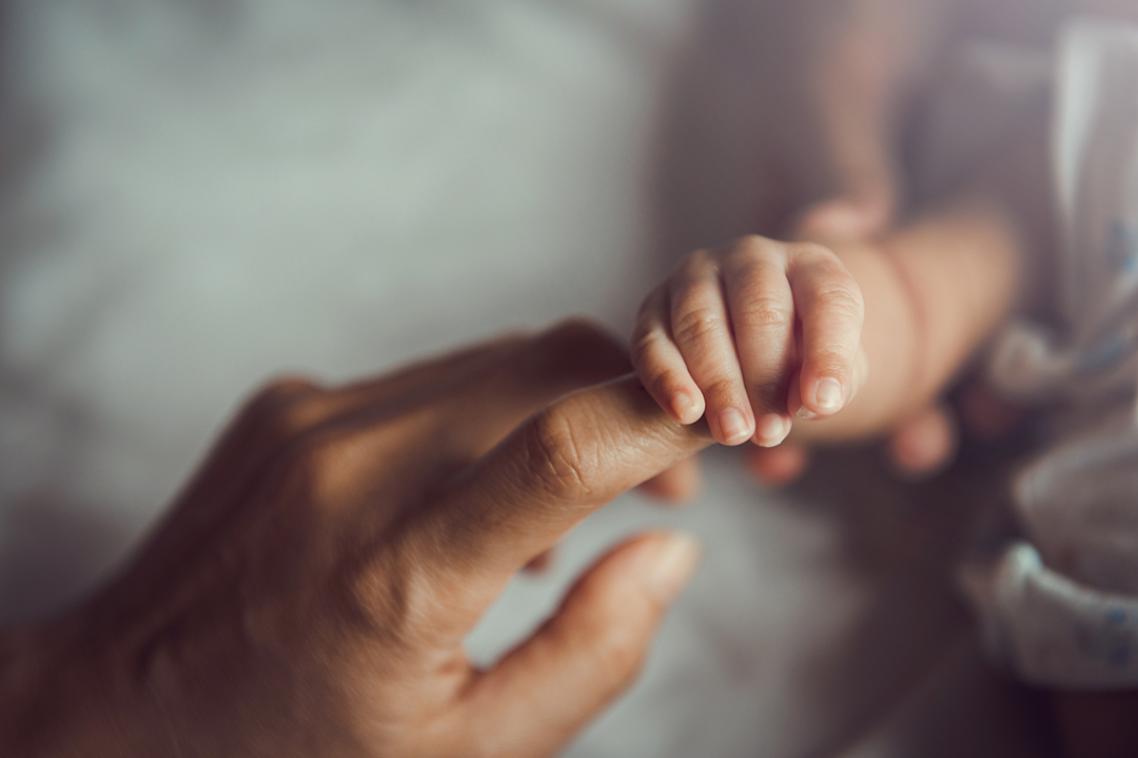
Major depression in women and girls peaks 2 weeks after giving birth
Major depression fluctuates during and after pregnancy but has the highest prevalence 2 weeks after giving birth, a University of Queensland study has found.
Researchers used data from 780 studies, collected from more than 2 million women and girls across 90 countries around the world – the largest mental health study of its kind.
Associate Professor Alize Ferrari said they looked at the time period from conception up until 12 months post-delivery to better understand how the prevalence of major depression fluctuates.
“Globally, major depression impacts about 4.3 per cent of women and girls in the broader population, but we found the prevalence was 6.2 per cent for women and girls during pregnancy and 6.8 per cent during the 12 months after childbirth,” Dr Ferrari said.
“Prevalence also increased to 8.3 per cent at the end of the first 2 weeks after childbirth.
“The results highlight the need for including early screening and intervention for depression during the entire peripartum period, but especially in antenatal care visits with obstetricians, midwives and GPs, and other postpartum period health checks.”
The study also found significant variability across regions – the prevalence of major depression during the peripartum period was highest in southern sub-Saharan Africa and south Asia, and lowest in high-income areas in the Asia Pacific region.
Dr Paul Miller said these regional differences could be driven by variations in data collection methodologies, psychosocial risk factors, along with differences in access to healthcare services, barriers to care, and cultural factors.
“How families, broader communities, and health systems support women and girls during pregnancy and in the months afterwards varies from country to country, and this plays a role in their mental health,” Dr Miller said.
“The prevalence of major depression among women and girls living in the Australasia region was only slightly below the global average at 5.7 per cent during pregnancy and 6.1 per cent for the year after childbirth.
“Our findings show the need for increased screening, prevention and treatment of major depression during pregnancy and the postpartum period.”
The research is published in TheLancet Psychiatry.
Collaboration and acknowledgements
This study was conducted as part of the Global Burden of Disease collaboration, a partnership between the Queensland Centre for Mental Health Research (Queensland Health), The University of Queensland and the Institute for Health Metrics and Evaluation at the University of Washington, with funding from the Gates Foundation.
This article is republished from The University of Queensland under a Creative Commons license.
Read the original article.
HEAD OFFICE

ACKNOWLEDGEMENT OF COUNTRY
The Queensland Centre for Mental Health Research (QCMHR) acknowledges the Jagera, Yuggera, Ugarapul and Turrbal people as the Traditional Owners of the land on which QCMHR operates and their continuing connections to land, waters and community. We pay our respects to their Elders, past and present and stand together with all Aboriginal and Torres Strait Islander peoples.
RECOGNITION OF LIVED EXPERIENCE
We acknowledge people in our communities with lived experience of mental health, drug and alcohol concerns and those who care for them. We respect and value their generous contributions to our research.