Level 3, Dawson House
The Park Centre for Mental Health Treatment
Research and Education, Wacol, QLD 4076
P: +61 7 3271 8660

Latest News
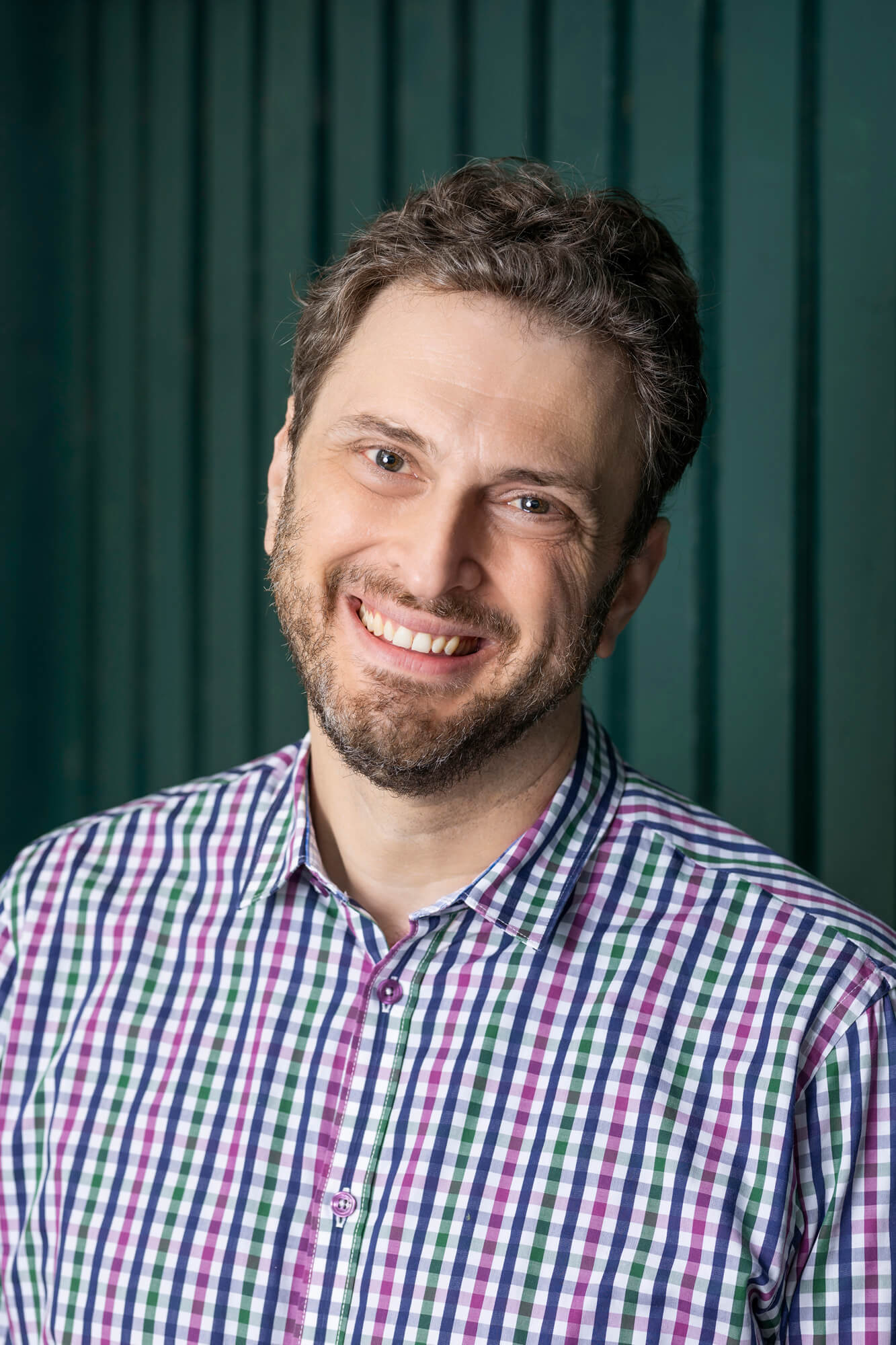
Second NHMRC Investigator Grant backs QCMHR Researcher’s continuing mission to transform schizophrenia care
QCMHR researcher Professor Dan Siskind has been awarded a prestigious National Health and Medical Research Council (NHMRC) Investigator Grant for the second time, securing five years of funding to advance his mission to transform physical and mental healthcare for people living with schizophrenia.
Professor Siskind, who leads QCMHR's Physical and Mental Health Research Stream, said the funding will underpin an ambitious national research program spanning clinical trials, establishment of a national schizophrenia clinical trials network, and translation of research evidence into routine clinical care.
“As a psychiatrist, I witness the impact schizophrenia has on the lives and health of my patients and their families every day, and I’m driven to create better futures for them through research,” Professor Siskind said.
"Receiving a second NHMRC Investigator Grant is a tremendous opportunity to build on the progress we've already made and take that work to a national and international scale.
“Schizophrenia is among the most severe mental health conditions, affecting as many as 80 million people worldwide and reducing life expectancy by up to 20 years, largely because of preventable physical health conditions.
"Around one in three people living with schizophrenia have treatment-resistant schizophrenia (TRS), meaning standard antipsychotic medications do not adequately control their symptoms.
“Despite the enormous burden of the illness, treatment options remain limited, and there have been too few breakthroughs in care, particularly for those with TRS - this funding gives us the opportunity to change that."
The new Investigator Grant builds on the success of Professor Siskind's first fellowship, which established an internationally recognised schizophrenia research program spanning investigator-led clinical trials, international treatment guidelines and novel approaches to improving both the mental and physical health of people living with schizophrenia.
It also strengthened Australia's capacity to undertake high-quality schizophrenia clinical trials and laid the foundations for a nationally coordinated research program.
Over the next five years, Professor Siskind's team will conduct two world-first clinical trials investigating whether an existing heart medication can improve symptoms such as low motivation, social withdrawal and reduced emotional expression, and whether a medication currently used to treat diabetes can prevent the weight gain commonly associated with antipsychotic medicines.
These studies build on an established pipeline of novel treatment approaches already developed through his research program.
The program will also establish Australia's first national treatment-resistant schizophrenia clinical trials network.
The consortium will connect researchers, clinicians and trial sites across Australia, enabling more health services to participate in high-quality schizophrenia research while building the next generation of clinical trial leaders.
"A coordinated national network will allow us to test promising treatments more efficiently, recruit larger numbers of participants and generate stronger evidence that can change clinical practice," Professor Siskind said.
"It will also help us grow the next generation of researchers and clinical trial experts while positioning Australia as a global leader in schizophrenia research."
The third pillar of the program will focus on ensuring research findings are translated rapidly into practice.
Building on Professor Siskind's leadership of the world's first international schizophrenia treatment guidelines, the program will update existing guidelines and develop new international recommendations covering treatment-resistant schizophrenia, clozapine initiation, management of medication side effects, physical health screening and healthy lifestyle support.
People with lived experience of schizophrenia, alongside carers, health professionals and community organisations, will help guide the program to ensure the research addresses the issues that matter most in everyday life.
"This funding gives us an important opportunity to bring together research, clinical care and lived experience to develop treatments that address the whole person by managing the symptoms of schizophrenia while protecting people's physical health and quality of life,” he said.
"Our vision is to transform the lives of people living with schizophrenia by delivering globally relevant treatments that help people live healthier, longer and more connected lives."
Established in 1987, QCMHR is funded by Queensland Health to work state-wide and contribute to the local, national, and global research efforts to improve mental health.
HEAD OFFICE

ACKNOWLEDGEMENT OF COUNTRY
The Queensland Centre for Mental Health Research (QCMHR) acknowledges the Jagera, Yuggera, Ugarapul and Turrbal people as the Traditional Owners of the land on which QCMHR operates and their continuing connections to land, waters and community. We pay our respects to their Elders, past and present and stand together with all Aboriginal and Torres Strait Islander peoples.
RECOGNITION OF LIVED EXPERIENCE
We acknowledge people in our communities with lived experience of mental health, drug and alcohol concerns and those who care for them. We respect and value their generous contributions to our research.