Level 3, Dawson House
The Park Centre for Mental Health Treatment
Research and Education, Wacol, QLD 4076
P: +61 7 3271 8660

Latest News
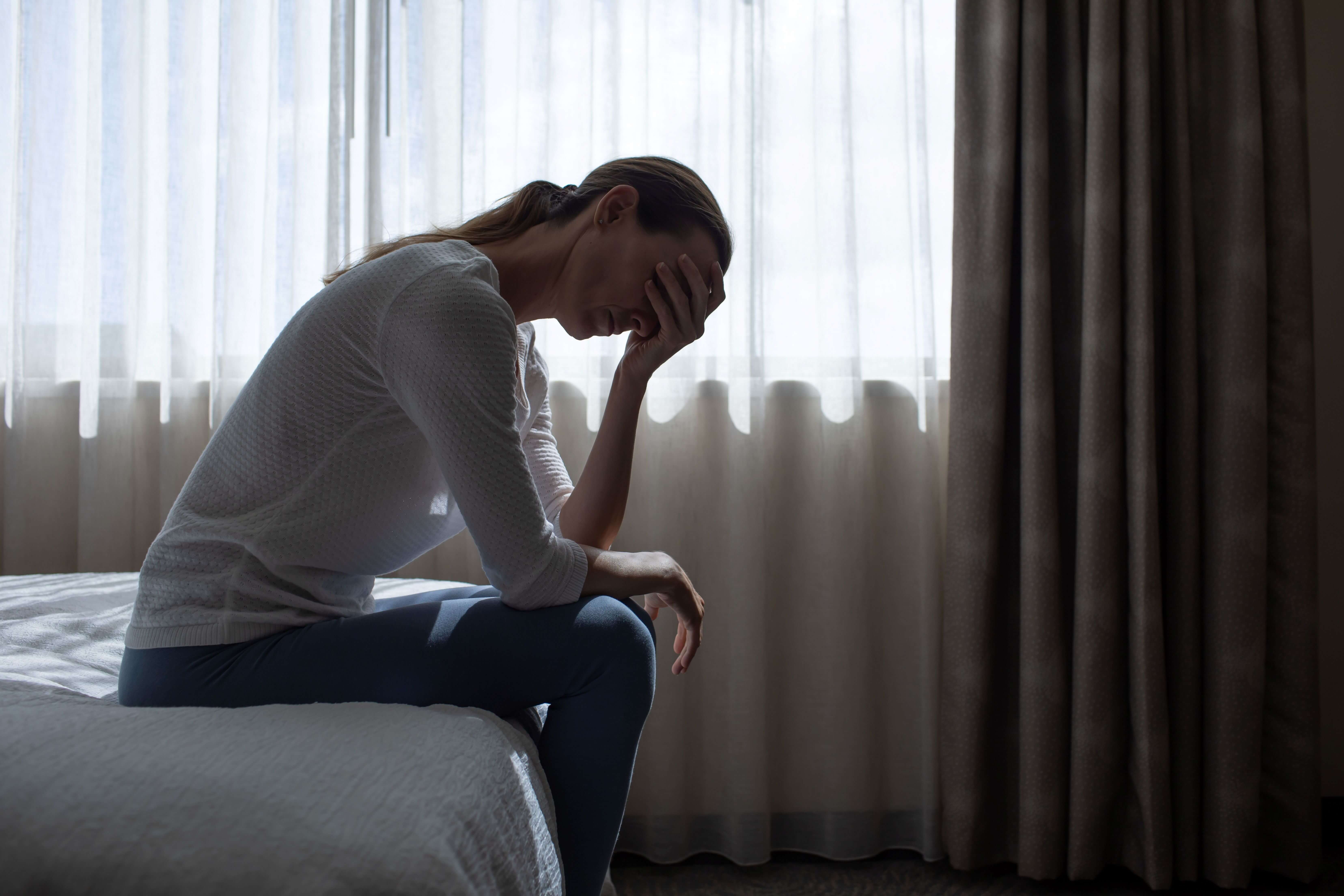
Uncovering the world’s hidden mental health burden
We all know physical pain can have a direct impact on how you feel mentally. But when that pain becomes chronic, lasting months and years with no clear diagnosis, it can have a devastating effect on mental health.
Conditions like these, known as Somatic Symptom and Related Disorders (SSRDs), have existed in a grey zone between physical and mental health. Patients experience real physical pain that cannot be explained, but the disorders themselves have often been misunderstood, underdiagnosed and crucially, undercounted.
Associate Professor Damian Santomauro and his team at the Queensland Centre for Mental Health Research (QCMHR) are revealing just how large the hidden burden of this disorder may be.
Based in Brisbane, the team contributes to the Global Burden of Disease (GBD) Study, the world's most comprehensive effort to measure the impact of illness and injury across more than 200 countries. Their job is to comb through hundreds of studies and use statistical modelling to estimate how common mental disorders are worldwide.
"It's about building the best possible picture of global mental health using the data that exists," A/Professor Santomauro says. "Once you can measure the burden, you can start to prioritise responses."
Their latest work estimates SSRDs affect around 4 to 5 percent of adults worldwide, or roughly one in twenty-one people and could represent one of the largest contributors to mental health-related disability globally, potentially rivalling major depression in scale.
“For a long time, these conditions have been somewhat invisible in global health statistics. Our work shows that the disability associated with them may be far more widespread than previously recognised.
"If something isn't measured, it is often treated by policy makers as though it does not exist." A/Professor Santomauro says.
And that invisibility has real consequences. People with SSRDs often cycle through medical services seeking answers for persistent physical symptoms, frequently without ever receiving appropriate mental health support.
The QCMHR team are determined to solve this problem, not just for SSRDs but across the full spectrum of mental illness.
Mental disorders are among the leading causes of disability worldwide yet measuring their impact on health is much harder than other health conditions.
“Unlike many physical illnesses, there’s no single test that tells you whether someone has a mental disorder. We rely on data across many different countries and healthcare systems and that data can vary a lot in how its defined and measured,” A/Professor Santomauro explains.
Those estimates feed directly into the GBD Study, helping governments, international agencies and health organisations understand where the greatest mental health burdens lie.
For A/Professor Santomauro and his team, the work is driven by the goal of understanding the global burden of mental illness as accurately as possible.
“There are still gaps in our data and estimates, and so part of our role is to keep improving the methods and evidence so that the estimates become more accurate over time.” A/Professor Santomauro says. “Our estimates drive policy decisions and service planning, and so my team strive to ensure we represent the global burden of mental disorders as accurately as possible”
This research is published in The Lancet Psychiatry,
Established in 1987, QCMHR is funded by Queensland Health to work state-wide and contribute to the local, national, and global research efforts to improve mental health.
Contact:
Associate Professor Damian Santomauro
Media contact:
Laura Corcoran, Research Communications Officer
HEAD OFFICE

ACKNOWLEDGEMENT OF COUNTRY
The Queensland Centre for Mental Health Research (QCMHR) acknowledges the Jagera, Yuggera, Ugarapul and Turrbal people as the Traditional Owners of the land on which QCMHR operates and their continuing connections to land, waters and community. We pay our respects to their Elders, past and present and stand together with all Aboriginal and Torres Strait Islander peoples.
RECOGNITION OF LIVED EXPERIENCE
We acknowledge people in our communities with lived experience of mental health, drug and alcohol concerns and those who care for them. We respect and value their generous contributions to our research.